Sports Blog
The Tunnel Marathon
June 2023 · Snoqualmie Pass to North Bend
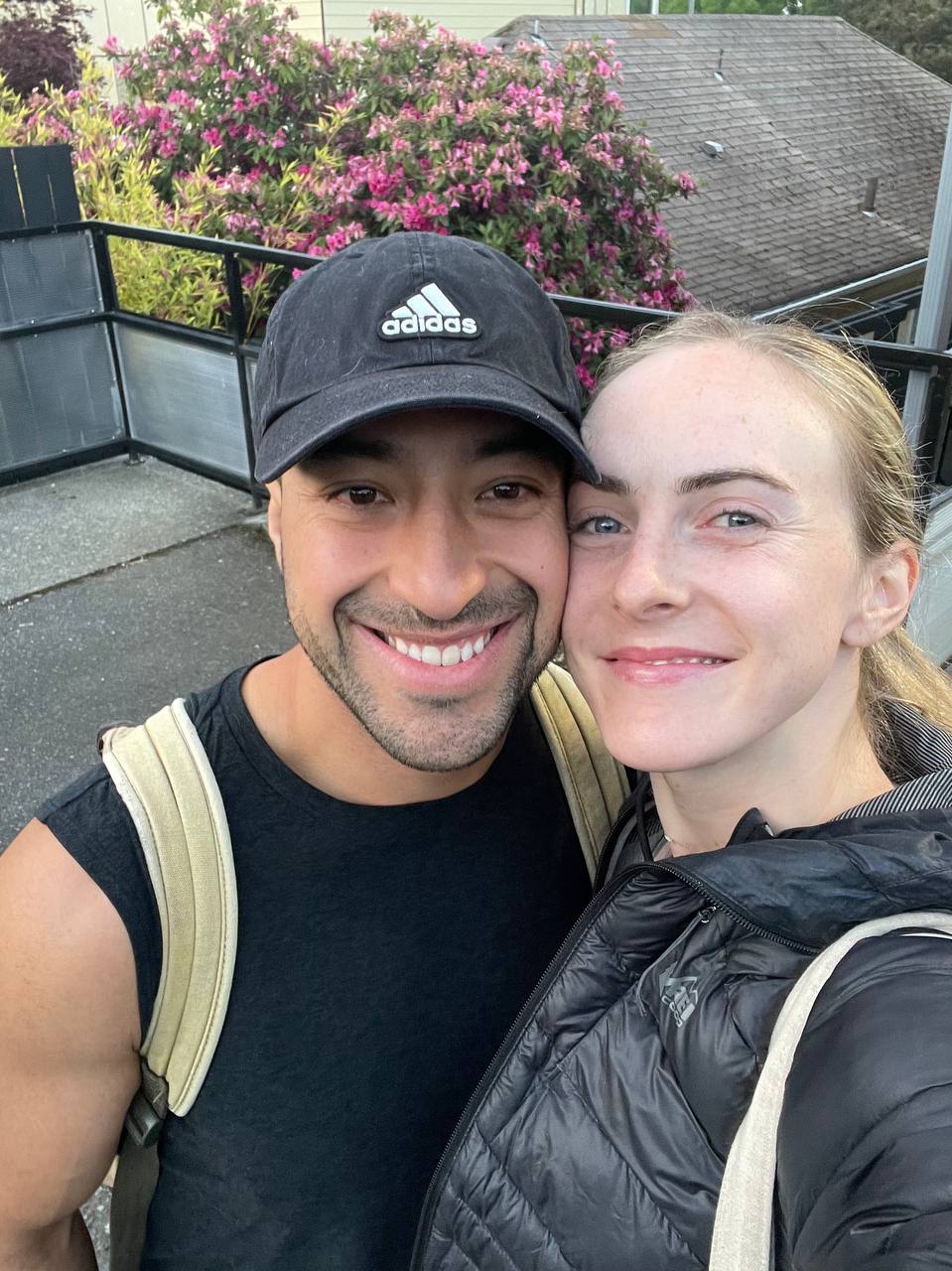
Training in the margins
We trained for this race the way most normal people train for marathons: in the margins of life. Early alarms. Rainy long runs. Car snacks that became breakfast because we were already late to the trailhead. Costco-sized pasta dinners and the sort of optimism you only have when race day is still far enough away to feel theoretical.
Saturdays became a ritual. Two coffees in travel mugs. Quiet drive. Playlist loaded. One of us pretending to feel better than we did. Some runs were smooth and graceful. Others felt like dragging your soul uphill while negotiating with your hamstrings like union reps. But we kept showing up, and the mileage stacked the way confidence does — slowly, then all at once.
By May, we were doing the “marathon person” things: debating gels like sommeliers, discussing sock strategy at dinner, and casually dropping phrases like “aerobic base” into normal conversation. We were tired, but ready.
Race morning plot twist
The day before the race felt perfect — bib pick-up, weather checks, gear layout, all the little superstitions that make you feel in control. Then race morning hit and she woke up sick. Pale face, raw throat, that drained look that tells the truth before words do.
We stood there half-dressed for the start line and had that quiet conversation where both people already know the answer. I told her I could skip it. She told me no chance. “You trained for this too. Go run it.” She sounded like a coach, a medic, and a best friend at once.
Inside the tunnel, outside myself
The Tunnel Marathon is deceptive. The course is beautiful enough to make bad decisions feel poetic. Inside the tunnel, everything echoes — shoes, breathing, people’s nerves. It’s cold, dim, and rhythmic, like running through a metronome pointed at your chest.
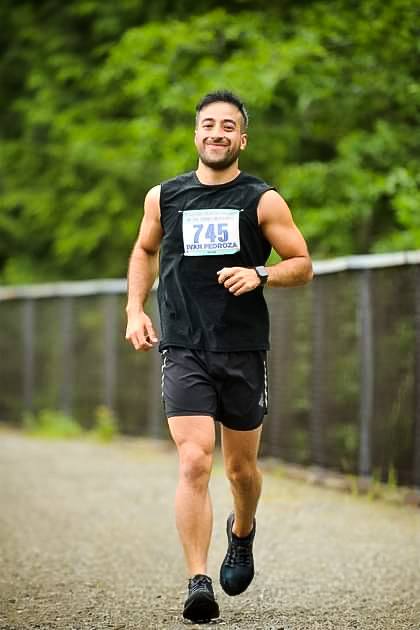
Coming out of the tunnel, your legs see net downhill and immediately file a motion for reckless pacing. I felt great through the first half and took that as permission to get ambitious. Classic mistake. The full-body shot around mile 14 is basically the last moment of controlled confidence before the race started collecting interest. Around mile 18 the bargain phase began. By mile 21, every aid station looked like a sacred shrine. By mile 24, my quads were drafting legal notices against the rest of my body.
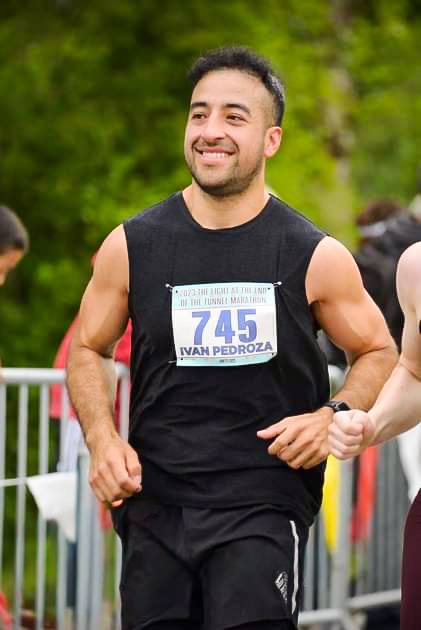
At that point the race wasn’t about splits anymore. It was just: keep moving forward, don’t walk, get to the finish with dignity intact. The half-body finish-line photo captures that exact crossover moment — smiling because it was done, but running on fumes. I crossed relieved, proud, and fully convinced I would never run another marathon — which is the most traditional lie in distance running.
Post-race destruction
The post-race video is exactly what the body felt like: destroyed. Shoulders collapsed. Face empty. Walking like a newly born deer with student debt. There was no cinematic victory lap, just the deep and honest exhaustion that comes after doing something hard all the way through.
We got back home absolutely wrecked, ordered enough food to feed a youth soccer team, and sat in tired silence like two people who had survived weather. She was sick. I was cooked. And somehow it still felt like one of our best days.
What stuck
Marathon training doesn’t make you heroic in one dramatic moment. It makes you reliable in boring ones. You learn how to keep promises to yourself when no one is watching. Long run after long run, you practice showing up. Race day just reveals whether you did.
We didn’t get a perfect day. We got a real one. And honestly, that made it better.